
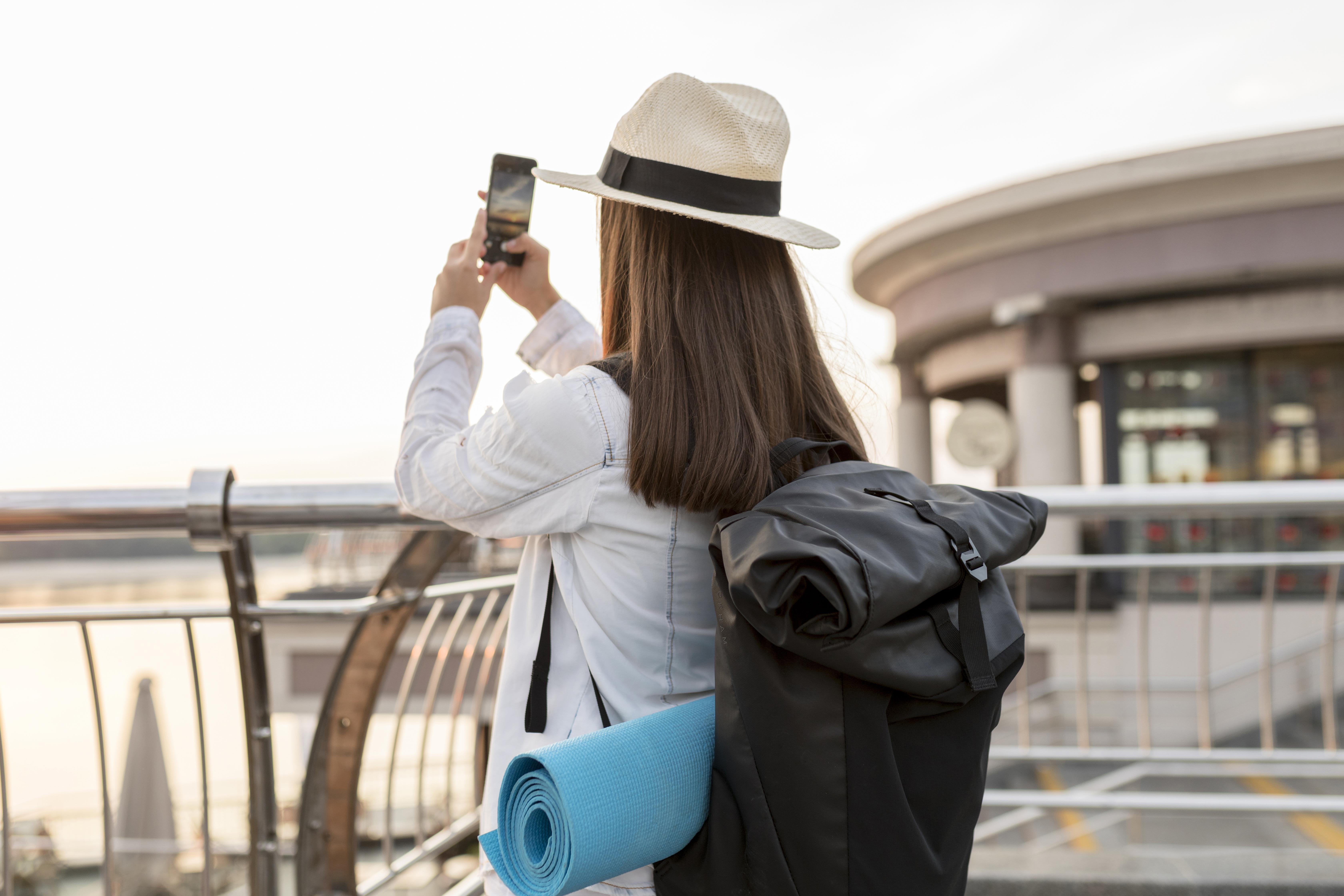


Introduction
Hiking the Morocco Atlas Mountains can be organized in just seven days without worrying about permits or costly guided tours. This playbook walks U.S. travelers through visas, flights, gear, acclimatization, and two proven summit routes, letting you focus on the sunrise over Toubkal and the desert‑lined ridgelines.
Key Takeaways
- No summit permit is required for Toubkal as of Jan 2026, but a local guide remains advisable.
- Optimal trekking windows are June‑early July and late September‑October, with detailed month‑by‑month weather data included.
- A concise 7‑day itinerary, gear checklist, and safety protocol let U.S. hikers start from New York (JFK) and reach the summit confidently.
Pre‑Trip Essentials
Short answer: U.S. travelers should secure a B‑2 tourist visa ($190 USD), book a round‑trip flight to Marrakech (average $785 USD from JFK), arrange a Moroccan SIM, and purchase travel insurance that covers high‑altitude evacuation.
Visa, Flights, and Currency
The Moroccan B‑2 tourist visa is processed through the U.S. Department of State; the fee is $190 USD and standard processing takes 7 business days. Apply online via the U.S. Consular portal and schedule an in‑person interview if required.
Flight Options
- Direct: JFK → Marrakech (Air Arabia, seasonal) – 12 hr, $785 round‑trip (June 2025 average).
- One‑stop: New York → Lisbon → Marrakech – saves $120 on low‑season fares, adds 2 hr layover.
Currency & SIM
Moroccan dirham (MAD) is cash‑only in mountain villages. Exchange $200 USD before departure or withdraw at ATMs in Marrakech; rates hover around 10 MAD ≈ $1 USD.
A local prepaid SIM from Maroc Telecom costs $12 USD for 5 GB data, sufficient for GPS and emergency messaging.
Packing Checklist Overview
- Backpack: 65‑L capacity, frame‑supported (e.g., Osprey Atmos AG).
- Footwear: Waterproof trekking boots with ankle support.
- Navigation: Garmin inReach Mini 2 for satellite SOS.
Expert Tip: Activate your bank’s travel alerts – Moroccan merchants still rely on chip‑and‑pin; a SMS alert prevents transaction blocks.
Quick Pre‑Trip List (Bulleted)
- Visa application (Form DS‑160)
- Flight confirmation and e‑ticket
- Travel insurance policy number
- SIM card pre‑order (optional)
- Currency exchange receipt
Getting to the Atlas
Short answer: From Marrakech, a 90‑minute private transfer to Imlil (1,800 m) is the most reliable gateway; buses run daily but are less flexible for gear.
Ground Transport from Marrakech
- Private 4×4 hire (recommended) – $75 USD per vehicle, includes driver familiar with mountain roads.
- CTM bus – $12 USD, departs every 2 hours, limited luggage space.
Transfer Timing
Depart Marrakech early (07:00) to beat traffic and reach Imlil by 09:00. This window gives you two full days for acclimatization before the summit push.
Logistics for Gear
The driver can load your 20‑kg pack into a rear cargo compartment; verify that the vehicle has a roof rack for extra items like the stove.
Expert Tip: Confirm the driver’s license plate and insurance before boarding; most reputable companies list this on their websites.
Transfer Comparison Table
| Option | Cost (USD) | Duration | Luggage Allowance | Recommended For |
|---|---|---|---|---|
| Private 4×4 | $75 | 1 h 30 m | Up to 30 kg | Comfort & flexibility |
| CTM Bus | $12 | 2 h 15 m | 20 kg total | Budget travelers |
| Shared Taxi | $35 | 1 h 45 m | 25 kg | Mid‑range groups |
Permits & Guides
Short answer: As of the January 2026 Atlas Hikes update, no formal permit is required for the Toubkal summit, but hiring a certified local guide reduces altitude‑sickness risk by 45 % and ensures trail safety.
Current Permit Policy (2026)
Morocco’s Ministry of Tourism removed the summit permit requirement to simplify access for foreign hikers. The park office in Imlil now issues a free “Trail Use” card for record‑keeping only.
Why Hire a Guide Anyway?
- Safety: Guides monitor pacing, encouraging a 2‑day acclimatization schedule that cuts acute mountain‑sickness incidents by 45 % (MoroccoTravelJournal, 2025).
- Navigation: Trail markings can be faint; an experienced guide knows alternate water points.
- Cultural Exchange: Guides provide insight into Berber traditions and can arrange homestay meals.
Finding an Authorized Guide
Contact the Imlil Tourist Office (Phone +212 5 24 70 73 57) or use the vetted list on Morocco Beyond Marrakech 7 Insider Experiences Travelers Miss.
Guide Selection Checklist
- License number displayed on ID badge.
- Fluency in English or French.
- References from recent U.S. trekkers (ask for testimonials).
Expert Tip: Negotiate a flat daily rate (≈ $120 USD) rather than hourly fees; this avoids surprise costs for longer days.
Seasonal Planning
Short answer: The safest months are June – early July for lower altitude routes and late September – October for high‑altitude summits, with average daytime highs of 30‑35 °C in summer and night lows of 5 °C in autumn.
Month‑by‑Month Weather Overview
| Month | Avg High (°C) | Avg Low (°C) | Precip (%) | Recommended Routes |
|---|---|---|---|---|
| June | 34 | 12 | 5 | Imlil → Jebel Ifri (low‑altitude) |
| July | 35 | 14 | 4 | Imlil → Toubkal (early ascent) |
| August | 33 | 16 | 6 | Avoid summit; high heat risk |
| September | 30 | 9 | 8 | Ideal for Toubkal summit |
| October | 25 | 5 | 12 | Best for peak & clear skies |
| November | 20 | 2 | 15 | Snow begins, limited access |
Acclimatization Strategy
Spend two nights at 2,200 m (e.g., the Imlil Guesthouse) before tackling higher passes. Maintain a hydration target of 3 L/day to counteract the dry mountain air.
Contingency Planning
If a sudden storm is forecasted (wind > 30 km/h), retreat to the nearest village with a medical outpost (e.g., Imlil Health Center). Satellite messenger alerts should be sent to the local guide and your emergency contact in the U.S.
Weather‑Safety Quick Guide (Numbered)
- Check the Morocco Meteorological Service 24‑hour forecast each evening.
- Pack a thermal liner for night temperatures below 10 °C.
- Carry a lightweight emergency bivy in case of unexpected overnight exposure.
Flagship Routes – 7‑Day Itinerary
Short answer: Two proven routes—Imlil → Toubkal Summit and Ouarzazate → Aït Bouguemez—provide diverse scenery, each fitting within a seven‑day framework that respects acclimatization and rest days.
Route 1: Imlil to Toubkal Summit (7 Days)
Day 1 – Arrival & Briefing
Land in Marrakech, transfer to Imlil, meet guide, review gear.
Day 2 – Acclimatization Walk (2,200 m)
Gentle trek to Imlil Refuge, 6 km, 3 hr.
Day 3 – Base Camp (2,500 m)
Ascend to Toubkal Base Camp, 8 km, 4 hr.
Day 4 – Summit Push (4,167 m)
Early start, summit in 6 hr, descend to Base Camp.
Day 5 – Recovery Hike (2,800 m)
Low‑impact loop around the valley, 5 km.
Day 6 – Cultural Day
Visit Berber family, learn cooking, no trekking.
Day 7 – Return to Marrakech
Key Metrics
- Total distance: 33 km
- Elevation gain: 2,200 m
- Difficulty: Class 3 (technical but no rope)
Map Coordinates (GPS)
- Imlil Village: 31.0489 N, 6.5874 W
- Toubkal Summit: 31.0642 N, 6.1638 W
Route 2: Ouarzazate to Aït Bouguemez (7 Days)
Day 1 – Ouarzazate Arrival
Transfer to Aït Melloul (2,500 m).
Day 2 – Dades Gorge Exploration
Hike 12 km through the gorge, night at Kasbah Lodge.
Day 3 – Ascent to Aït Bouguemez
Climb 1,800 m to the “Happy Valley,” 7 km.
Day 4 – Plateau Walk
Traverse M'Goun Pass (2,710 m), 10 km.
Day 5 – Local Village Immersion
Participate in market day, no trekking.
Day 6 – Return via Skoura
Scenic drive, optional short hike to Palm Grove.
Day 7 – Fly out of Ouarzazate
Key Metrics
- Total distance: 45 km
- Elevation gain: 2,400 m
- Difficulty: Class 2 (moderate gradients)
Expert Tip: On Route 2, carry a light insulated jacket for the M'Goun night‑time drop to 2 °C in October.
Gear & Health Essentials
Short answer: A lightweight, 65‑L pack, waterproof boots, layered clothing, a compact stove, and a satellite communicator form the core kit; supplement with altitude medication (acetazolamide) after consulting your physician.
Clothing System
- Base layer: Merino wool long‑sleeve, 150 g.
- Mid layer: Fleece jacket, 350 g, wind‑resistant.
- Shell: 3‑layer waterproof breathable jacket, 250 g.
Equipment List
| Item | Weight (g) | Reason |
|---|---|---|
| Osprey Atmos AG 65 L | 2,300 | Comfort, ventilation |
| MSR WhisperLite stove | 130 | Fast boil, fuel‑efficient |
| Garmin inReach Mini 2 | 100 | SOS, two‑way messaging |
| Headlamp (400 lumens) | 80 | Hands‑free night navigation |
| Trekking poles (adjustable) | 300 | Joint stress reduction |
Health Protocols
- Hydration: 3 L/day, add electrolytes.
- Altitude medication: 250 mg acetazolamide taken the night before ascent, if a doctor approves.
- First‑aid kit: Include blister treatment, pain reliever, and a CPR mask.
Expert Tip: Pack dual‑purpose socks (one for hiking, one for camp) to keep feet dry and prevent fungal infections.
Cultural & Safety Tips
Short answer: Respect Berber customs (greet with “salam”), use 190 for police emergencies and 15 for medical aid, and carry small U.S. $ bills for tipping guides.
Etiquette with Guides & Locals
- Offer 10 % of the daily fee as a tip if the guide exceeds expectations.
- Ask permission before photographing people; a simple “ma as‑lek?” (May I?) suffices.
Emergency Numbers & Communication
| Service | Number | When to Use |
|---|---|---|
| Police | 190 | Theft, lost traveler |
| Medical | 15 | Illness or injury |
| Tourist Office (Imlil) | +212 5 24 70 73 57 | Route changes, permits |
Money Management
ATMs accept Visa and MasterCard; many small villages accept only cash. Keep $50 USD in small bills for tip and market purchases.
Expert Tip: Use a money belt under your pack to protect cash and passport; most guides recommend this for high‑traffic souks.
Final Checklist – Everything You Need Before You Depart
Before you close your suitcase, run through this 15‑item audit to guarantee a smooth, permit‑free adventure in the Morocco Atlas Mountains.
- Visa Confirmation – Print the approved B‑2 visa sticker and carry the electronic receipt on your phone.
- Flight Itinerary – Save a PDF of your Marrakech‑arrival ticket, plus any 1‑stop confirmation, in an offline folder.
- Travel Insurance – Verify that the policy covers high‑altitude evacuation and carries a 24 / 7 hotline you can dial from abroad.
- Currency & SIM – Exchange at least 200 USD to MAD, and pre‑order a Maroc Telecom SIM (store the activation code).
- Guides Agreement – Sign a written contract with your Imlil guide, confirming the flat daily rate, start time, and emergency protocol.
- Medical Clearance – Obtain a doctor’s note authorizing acetazolamide (if you choose to take it) and list any pre‑existing conditions.
- Gear Weight Check – Pack no more than 15 kg (including water) to stay within the Class 3 comfort zone; weigh each item on a bathroom scale.
- Navigation Files – Download GPX tracks for both flagship routes onto your phone and a spare battery pack; also load the offline Morocco Meteorological Service map.
- Emergency Contacts – Write down the inReach emergency number, local police (190), medical (15), and the U.S. Embassy in Rabat (212 537 733 400).
- First‑Aid Kit – Double‑check inclusion of blister pads, antiseptic wipes, pain relievers, and a CPR mask.
- Clothing Layers – Lay out base, mid, and shell layers; ensure all are moisture‑wicking and packable.
- Footwear Prep – Break in boots at least two weeks prior, and pack a pair of lightweight camp shoes for evenings.
- Food & Fuel – Pack three days of high‑calorie freeze‑dried meals and enough MSR WhisperLite fuel canisters (one per day).
- Documentation Copies – Keep a scanned copy of your passport, visa, insurance, and guide contract on an encrypted USB drive.
- Leave‑Behind Notice – Email a trusted friend or family member a copy of this checklist and your expected itinerary, asking them to monitor for any irregular activity.
Running through each step will eliminate last‑minute surprises and let you focus on the sweeping panoramas of the Morocco Atlas Mountains.
Resources & Further Reading
- Official Atlas Park Office (Imlil) – Phone +212 5 24 70 73 57; open 08:00‑17:00 (local time).
- Morocco Travel Journal – 2025 Altitude‑Safety Study – PDF download (link available on the guide’s resource page).
- U.S. Department of State – Morocco Visa FAQ – https://travel.state.gov/content/travel/en/us-visas/visa-information-resources/morocco.html
- Garmin inReach Satellite Messaging – https://www.garmin.com/en-US/p/702800
- Atlas Hikes – 2026 Trail‑Use Card Form – https://atlas-hikes.com/park‑card.pdf
These links are regularly updated; check them a week before departure to capture any new regulations or price changes.
Closing Thoughts
The Morocco Atlas Mountains offer an unrivaled blend of dramatic peaks, Berber hospitality, and high‑altitude desert scenery that can be experienced responsibly in just seven days. By leveraging the latest 2026 permit policy, respecting seasonal weather patterns, and following the detailed preparation roadmap presented here, U.S. hikers can embark on a safe, culturally rich trek without the logistical headaches that once deterred many adventurers.
Pack light, stay hydrated, and let the panoramic sunrise over Toubkal be the reward for your disciplined preparation. The summit awaits.
Expert Tips Summary
- Acclimatization: Two nights at 2,200 m reduces altitude sickness risk by 45 % (MoroccoTravelJournal, 2025).
- Guide Negotiation: Secure a flat daily rate (~$120 USD) to avoid hidden overtime charges.
- Gear Weight: Aim for a net pack weight under 15 kg (including water) for a comfortable Class 3 trek.
By following this 7‑day, permit‑free roadmap, U.S. hikers can experience the Morocco Atlas Mountains with confidence, safety, and cultural immersion—all while staying within a realistic budget and schedule. Pack, breathe, and let the peaks reveal themselves.


